_ML03649

Martinique #21

Martinique, France
_ML03642

Martinique #20

Martinique, France

_ML03632

Martinique #19

Martinique, France

_ML03585

Martinique #18

Martinique, France

_ML03584

Martinique #17

Martinique, France

_ML03542

Martinique #16

Martinique, France

_ML03530

Martinique #15

Martinique, France

_ML03526

Martinique #14

Martinique, France

_ML03504

Martinique #13

Martinique, France

_ML03484

Martinique #12

Martinique, France

_ML03428

Martinique #11

Martinique, France

_ML03405

Martinique #10

Martinique, France

_ML03401

Martinique #9

Martinique, France

_ML03401

Martinique #8

Martinique, France

_ML03400

Martinique #7

Martinique, France

_ML03397

Martinique #6

Martinique, France

_ML03395

Martinique #5

Martinique, France

_ML03377

Martinique #4

Martinique, France

_ML03375

Martinique #3

Martinique, France

_ML03366

Martinique #2

Martinique, France

_ML03364

Martinique #1

Martinique, France

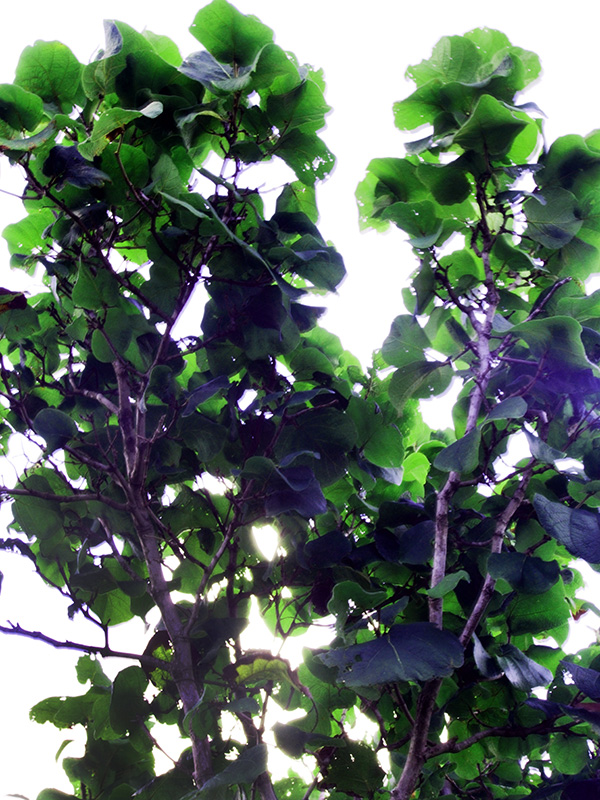
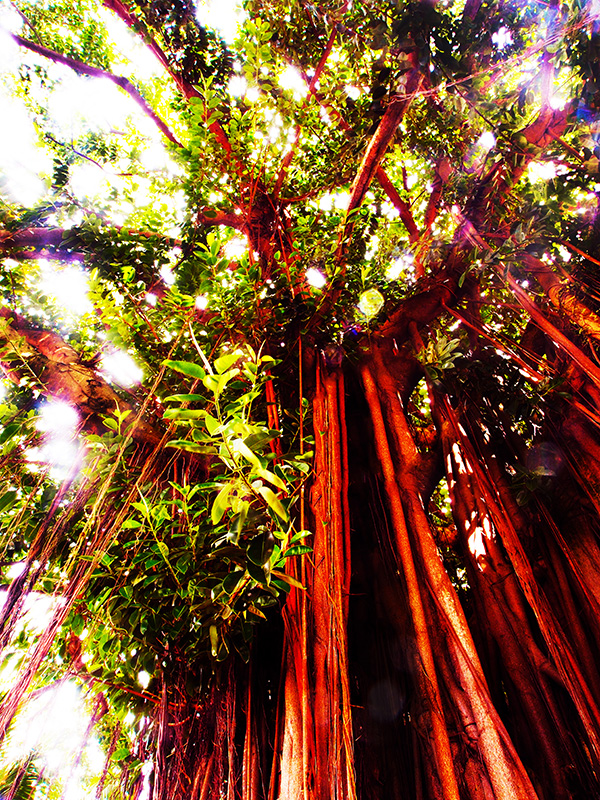
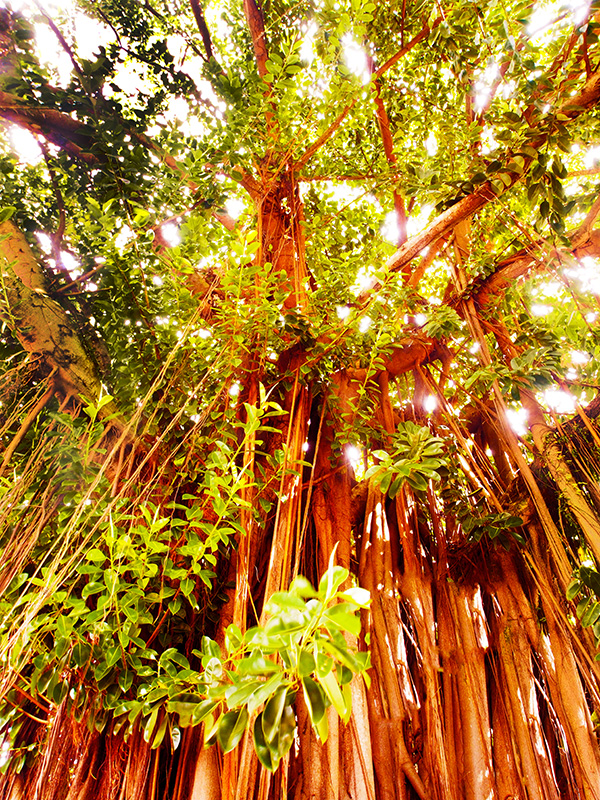
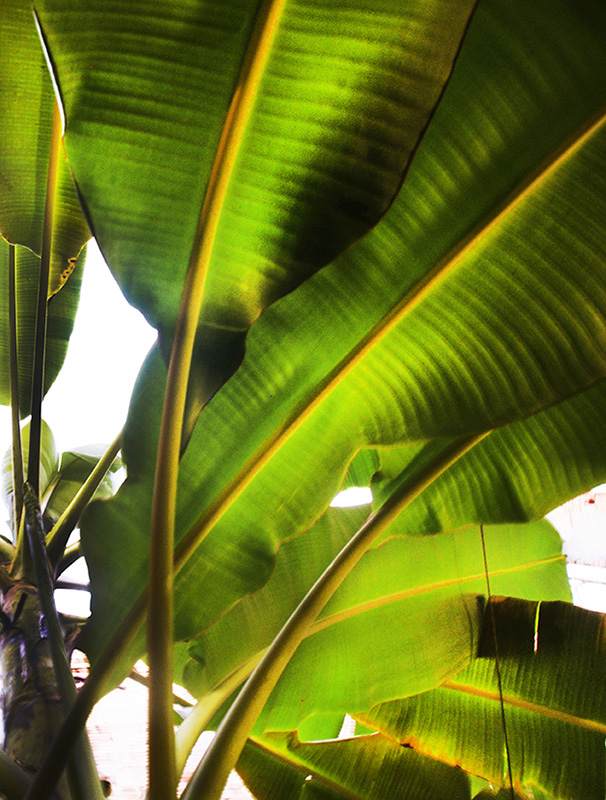
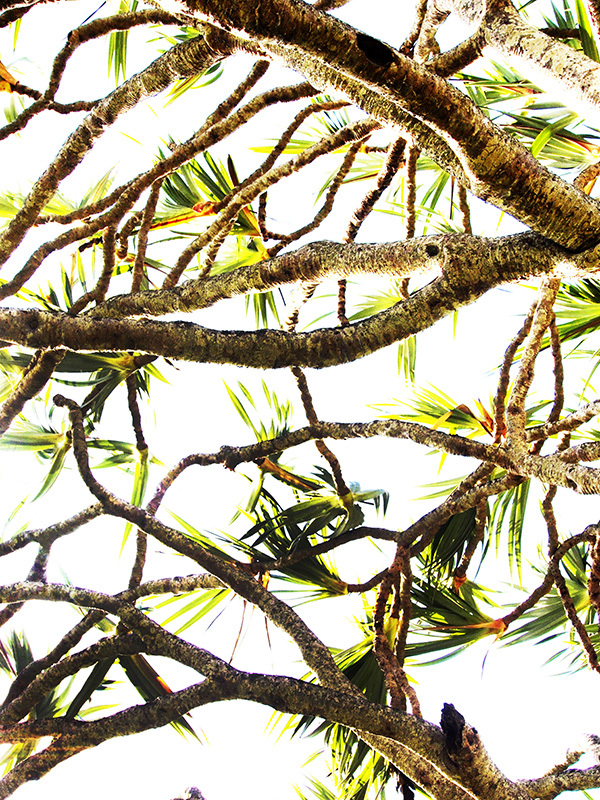
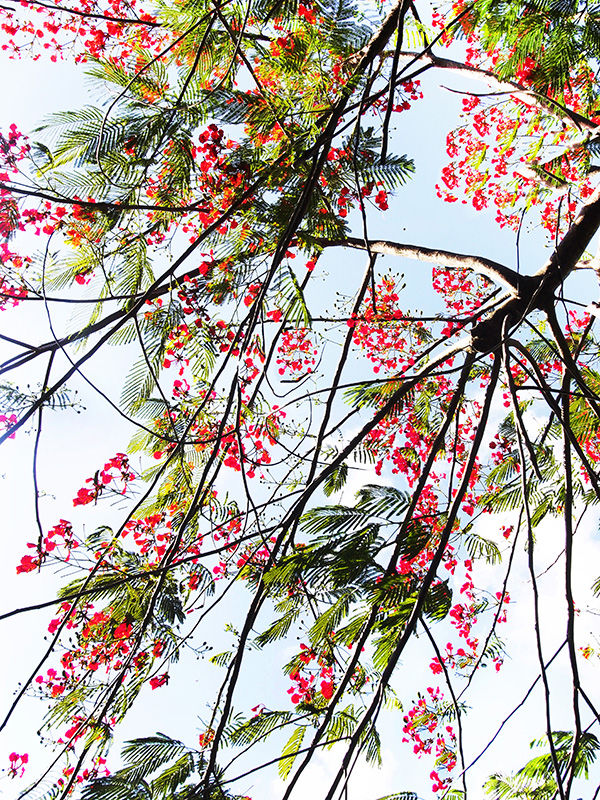
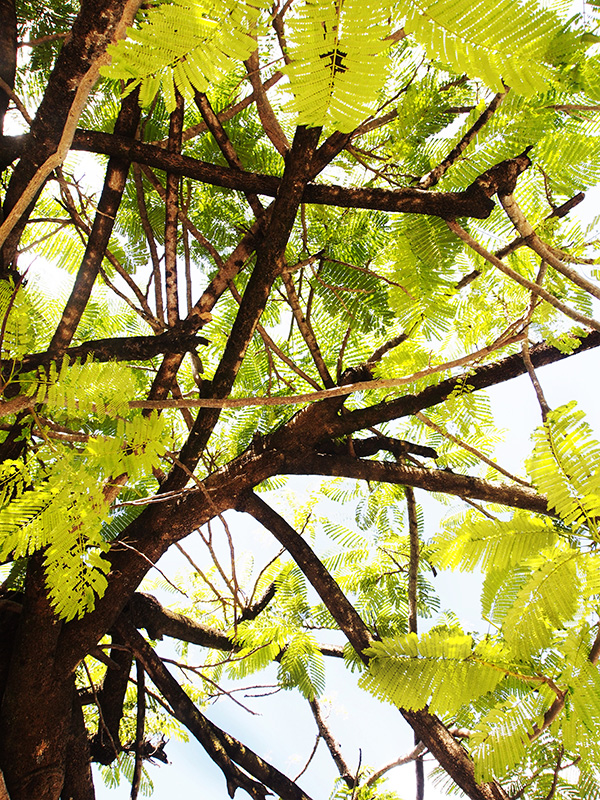
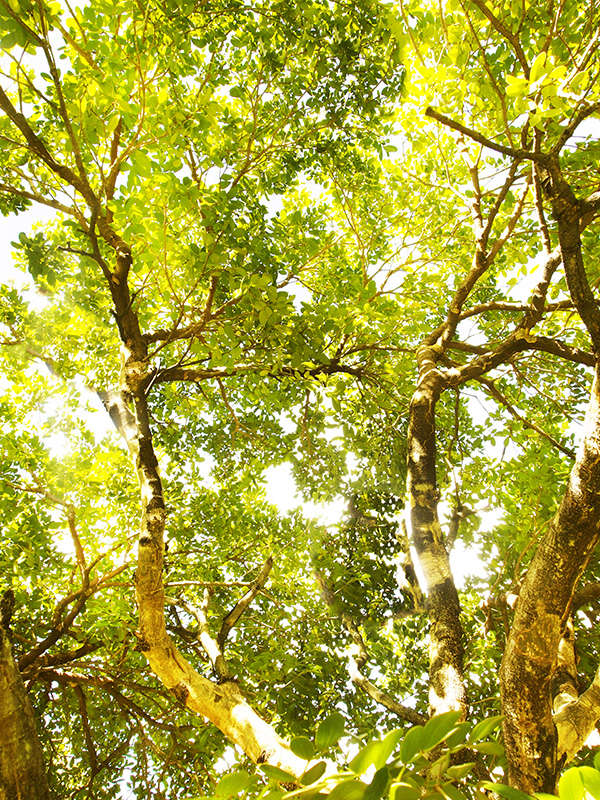
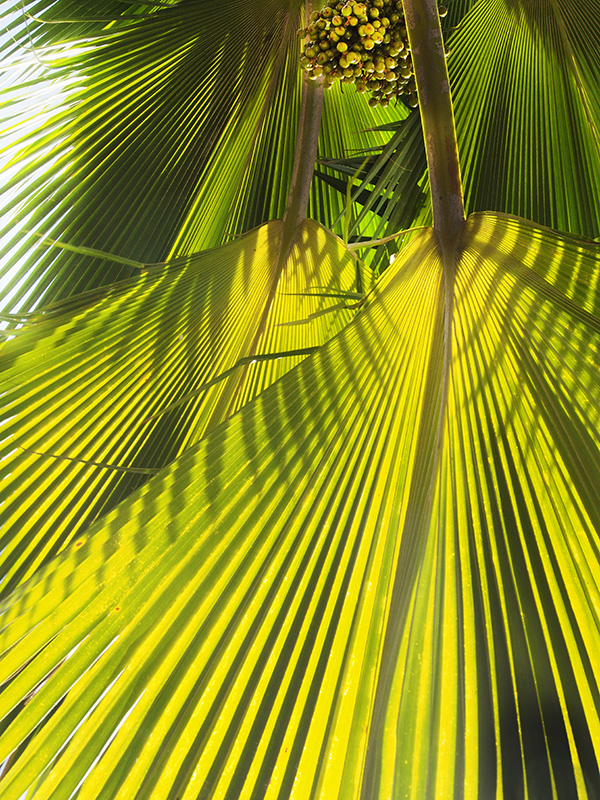
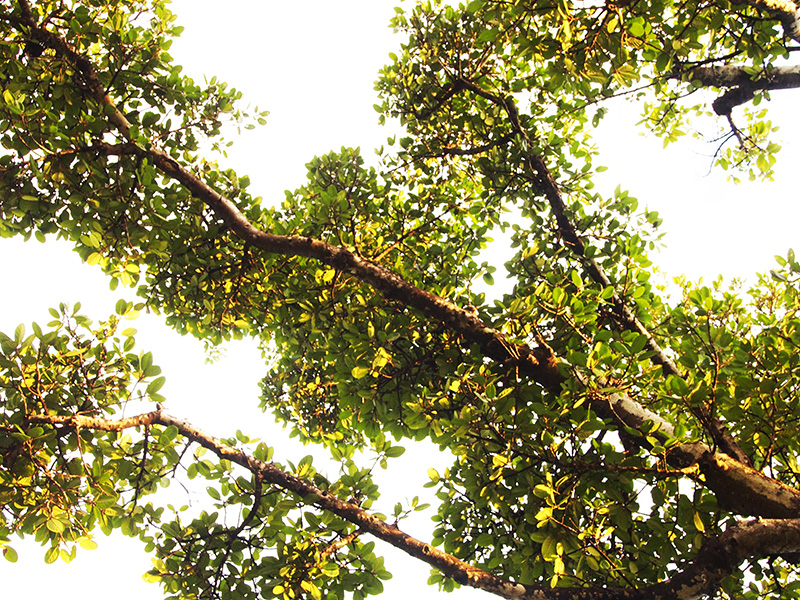
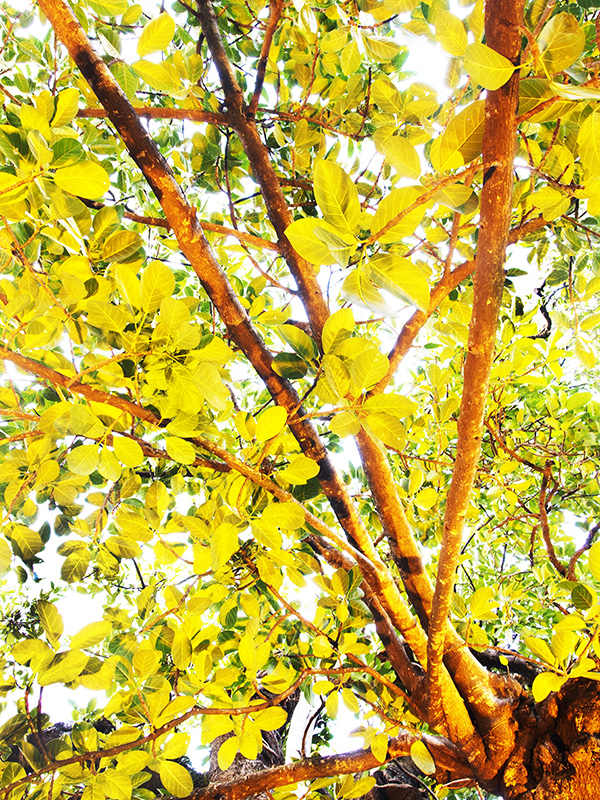
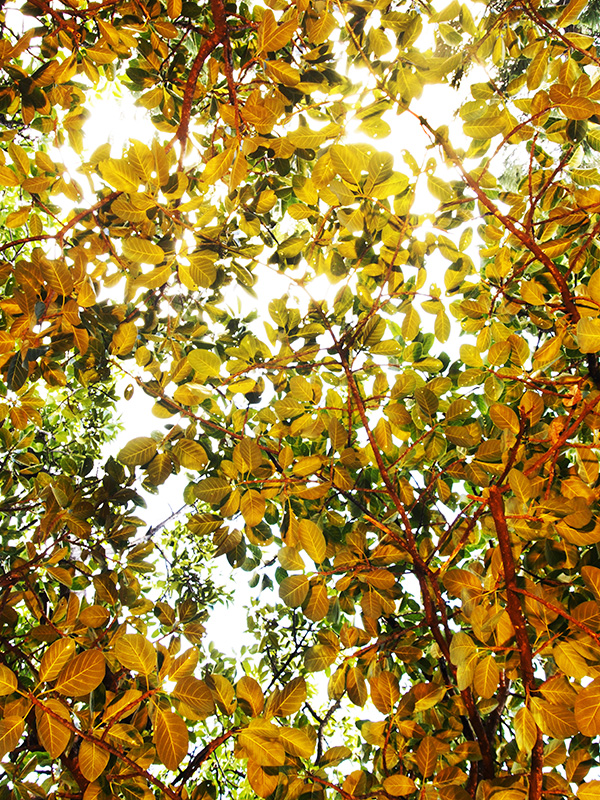
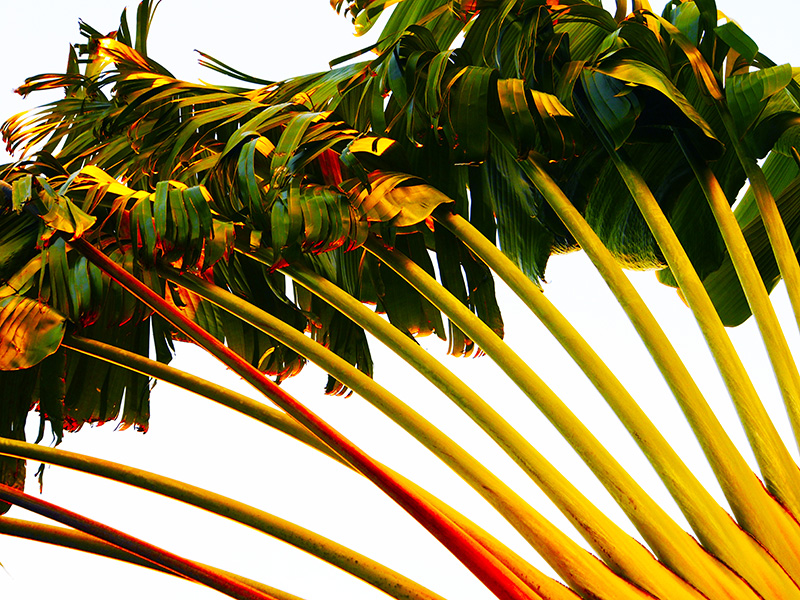
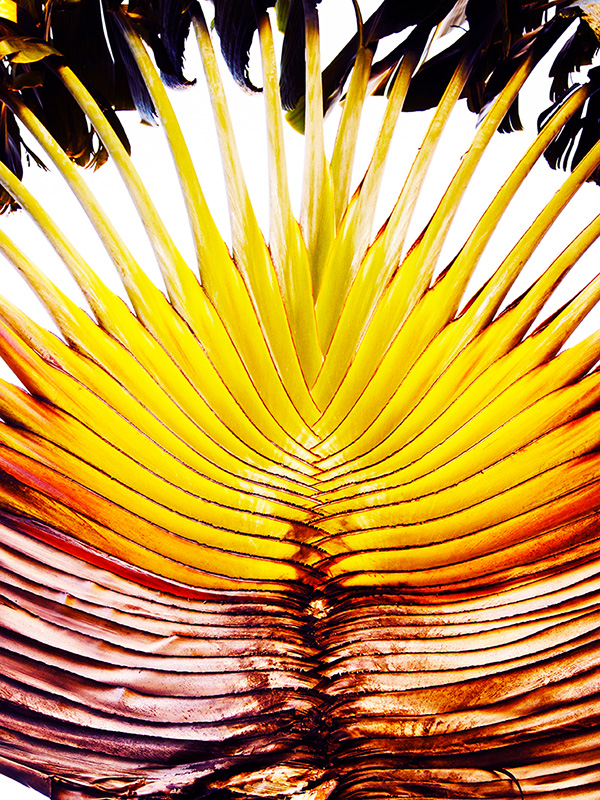
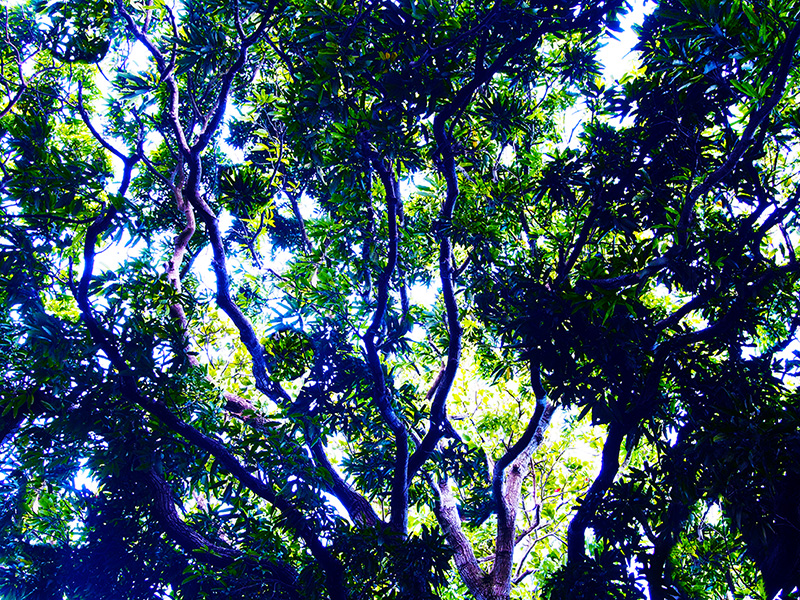
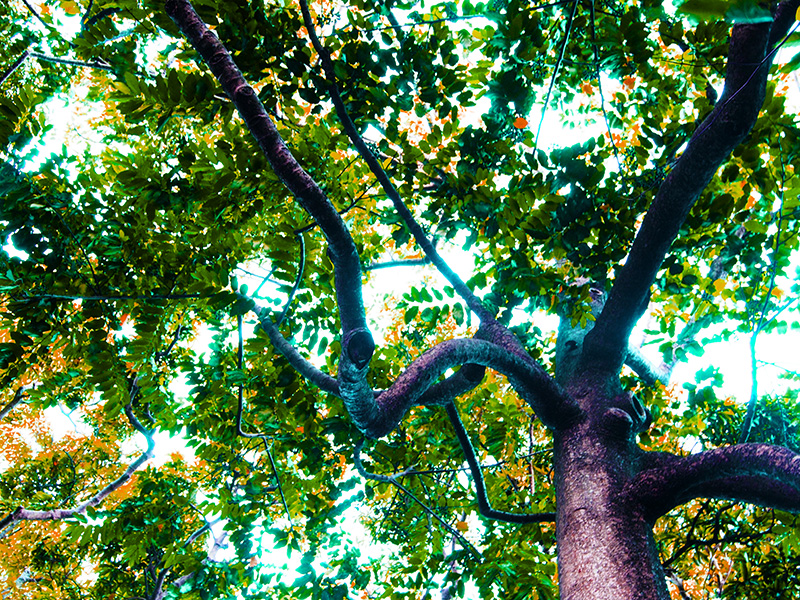
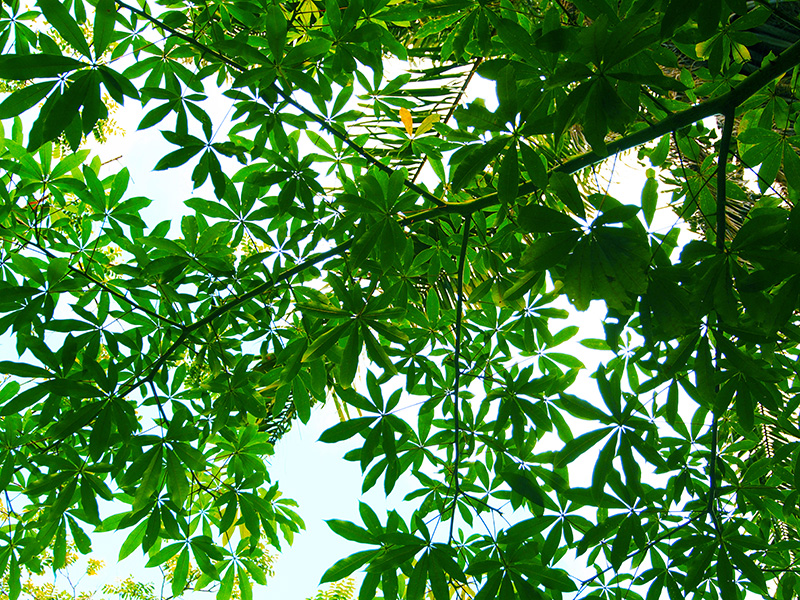
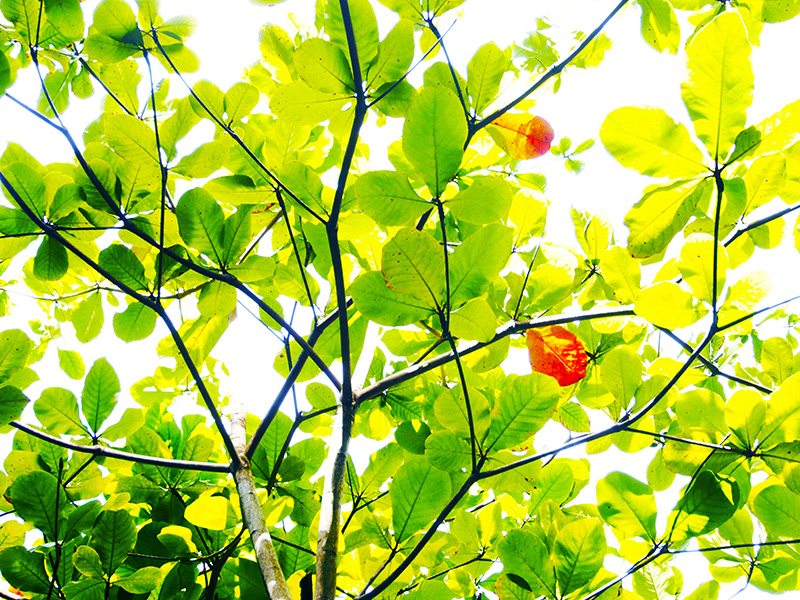
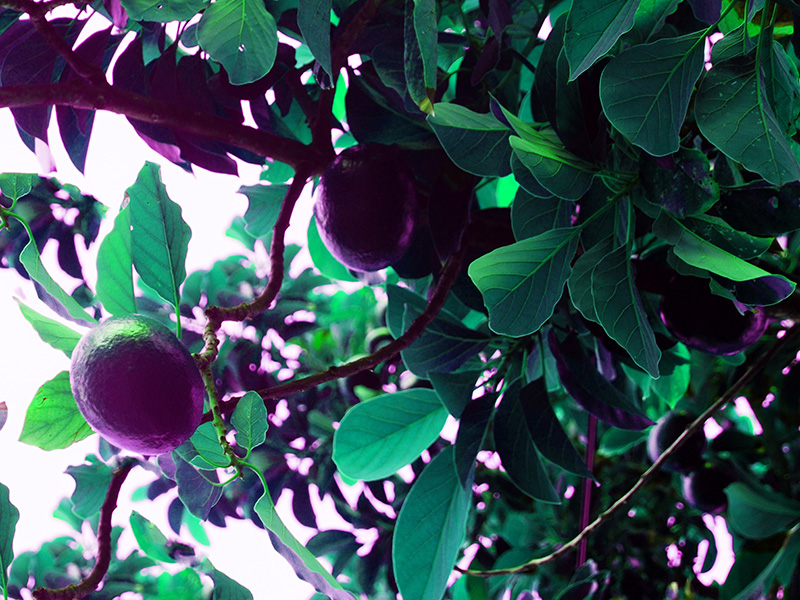
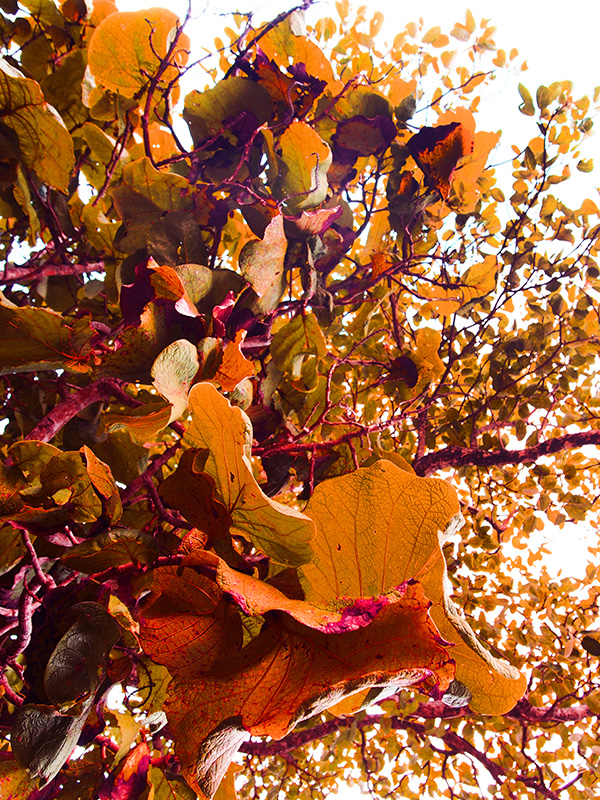
I was invited by Terre d’Arts to participate in the Creators’ Challenge in November 2021. This artistic research residency in Fort-de-France allowed me to develop my work entitled “Arbonirisme,” focusing on the trees of Martinique.

“Arbonirisme” is a word coined to describe the experience of dream and reality expressed through the photographic process: the low-angle shot, accentuated colors, intense contrasts, and vivid light create a blurred boundary between photography and painting, between dream and reality, between memories and visions. Under these trees, we remember the past, we dream of the present, and we imagine the future.
In the series produced in Martinique, the tree is the vehicle for memories linked to the island’s history, its current purpose, and what it allows us to envision for the island’s future.

Many trees provide fruits that are central to Creole cuisine. The leaves of the Bakoua tree are used to make a traditional hat of the same name. The gum tree is used to make the traditional Martinican fishing boat, called a yole. Some trees have a tragic history, as their branches, which grow parallel to the ground, were used to hang slaves.

It was clear that Martinique had a story to tell through its trees.

error: Content is protected !!